Zinc Immune function and oxidative stress regulator Though not an antioxidant itself, zinc plays multiple roles in the body's antioxidant defense system: Acts as a cofactor for superoxide dismutase, a primary antioxidant enzyme Stabilizes cell membranes, reducing susceptibility to oxidative damage Induces metallothionein, which scavenges hydroxyl radicals Competes with iron and copper for binding sites, potentially reducing free radical production Zinc supplementation (recommended intake: 8-11 mg/day for adults) has been shown to reduce oxidative stress markers, particularly in zinc-deficient individuals

Water, Centella Asiatica Extract (20.5%), Butylene Glycol, Glycerin, Dipropylene Glycol, Niacinamide (20,000ppm), Hydroxyethyl Urea, Sodium Hyaluronate, Allantoin, Panthenol, Glutathione (1,000ppm), Nelumbo Nucifera Extract, Artemisia Annua Extract, Oryza Sativa (Rice) Extract, Saccharomyces Ferment, Solanum Melongena (Eggplant) Fruit Extract, Melaleuca Alternifolia (Tea Tree) Leaf Extract, Hydrolyzed Collagen, Beta-Glucan, Hippophae Rhamnoides Fruit Extract, Adenosine, Madecassic Acid, Asiaticoside, Asiatic Acid, Squalane, Caprylic/Capric Triglyceride, Hydrogenated Lecithin, Glyceryl Stearate, Cholesterol, Xanthan Gum, Propanediol, Hydroxyacetophenone, 1,2-Hexanediol, Ethylhexylglycerin, Dipotassium Glycyrrhizate, Styrene/Acrylates Copolymer, Citric Acid, Sodium Citrate *For the most recent ingredient list, please consult the product packaging or contact us for a product photo.
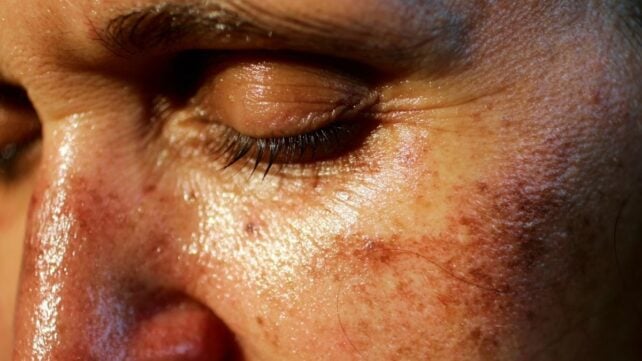
Sickle cell can be confirmed using a lab test called hemoglobin electrophoresis, which allows for careful evaluation of the structure of hemoglobin in a blood sample (Lanzkron 2010)
Journal reference: Abbasi et al
:max_bytes(150000):strip_icc()/nasal-spray-GettyImages-1307364119-342cadbe116d4cc7b773e3869d833779.jpg)