For objectives 14, we investigated selection homophily and peer influence processes in terms of our smoking and vaping outcomes, namely: experimentally measured injunctive smoking and vaping norms (P2S2P2S9), experimentally measured descriptive smoking and vaping norms (P3Q1P3Q2), number of tokens donated to ASSIST/Dead Cool, self-report injunctive norms (IN1IN7), self-report descriptive norms scale 1 (DN1.1DN1.5), self-report descriptive norms scale 2 (DN2.1DN2.3), self-report smoking behavior, self-report smoking intentions, smoking knowledge, attitudes towards smoking, self-efficacy (emotional, friends, and opportunity subscales), perceived risks (physical, social, and addiction subscales), perceived benefits, perceived behavioral control (easy to quit), perceived behavioral control (easy to avoid), objectively measured smoking behavior, and smoking susceptibility (a binary outcome variable coded 1 if the individual was susceptible to commencing smoking and 0 if they were not susceptible to commencing smoking)
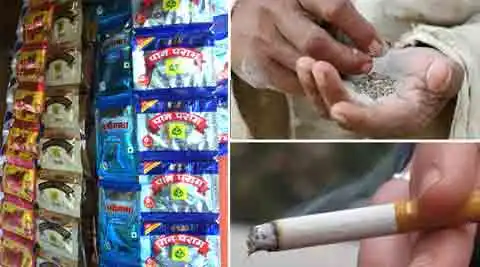
Premium cigarette brands are preferred by consumers with higher disposable incomes in both the global and Indian markets
They can be: Brief or persistent Mild or overpowering Pleasant, strange, or deeply unpleasant Most commonly, people report smells such as: Burning rubber or toast Gas or smoke Chemicals or cleaning products Rotting food Metallic or musty scents Some experience these smells in one nostril, others in both
In both cases, the district courts sided with the plaintiffs on these issues





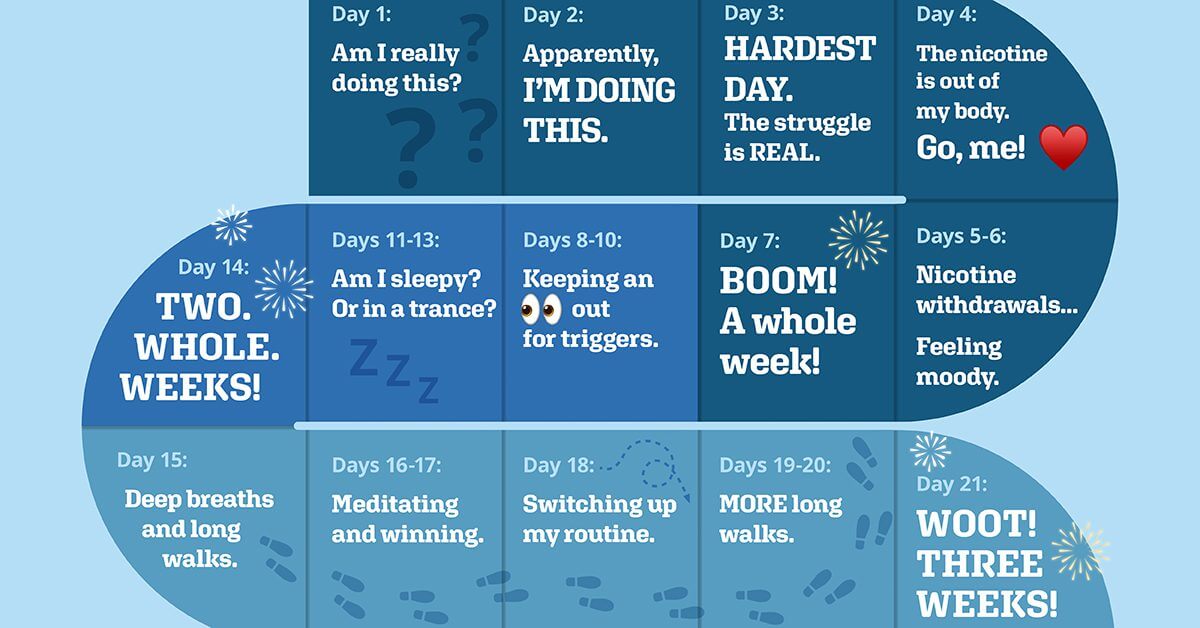

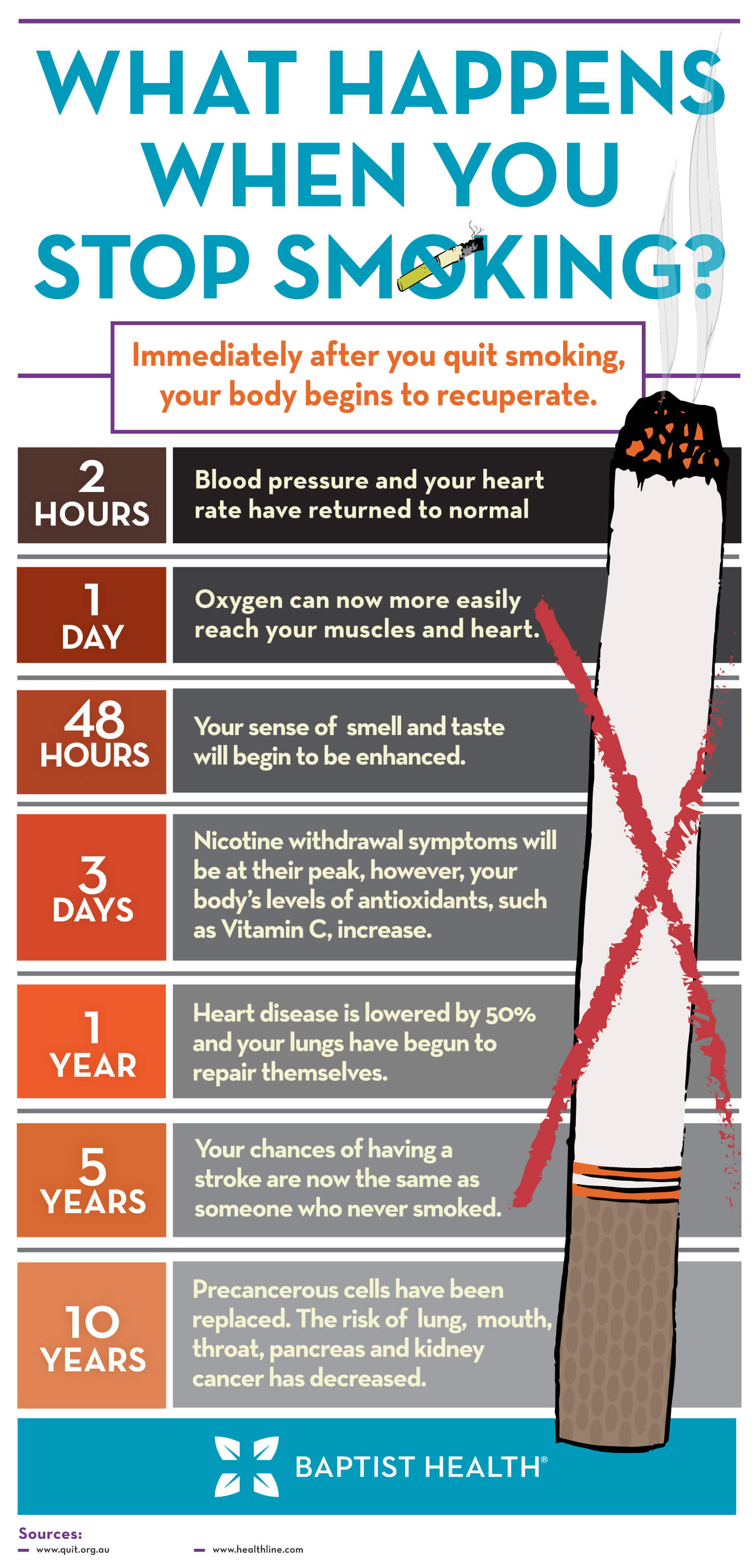

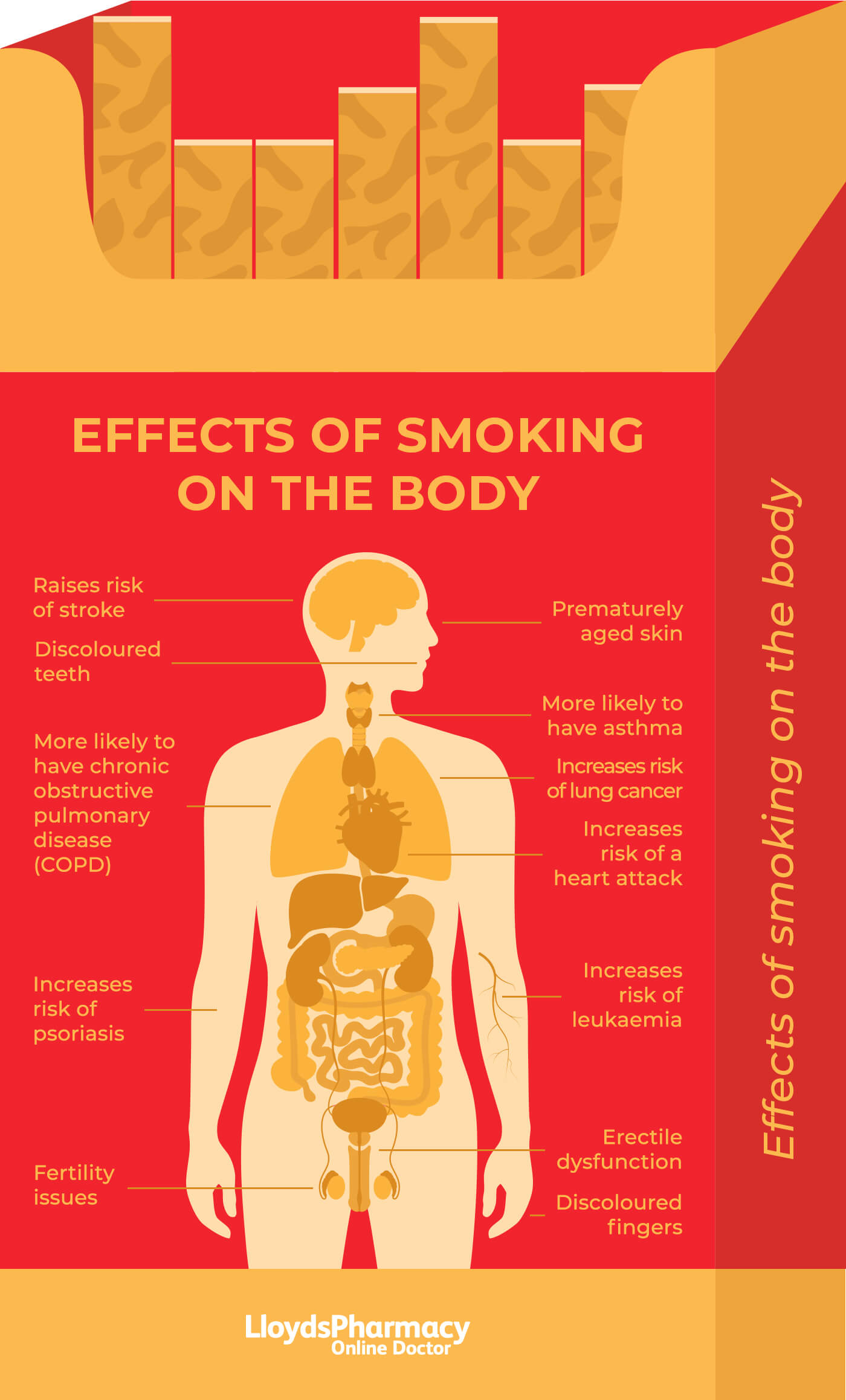
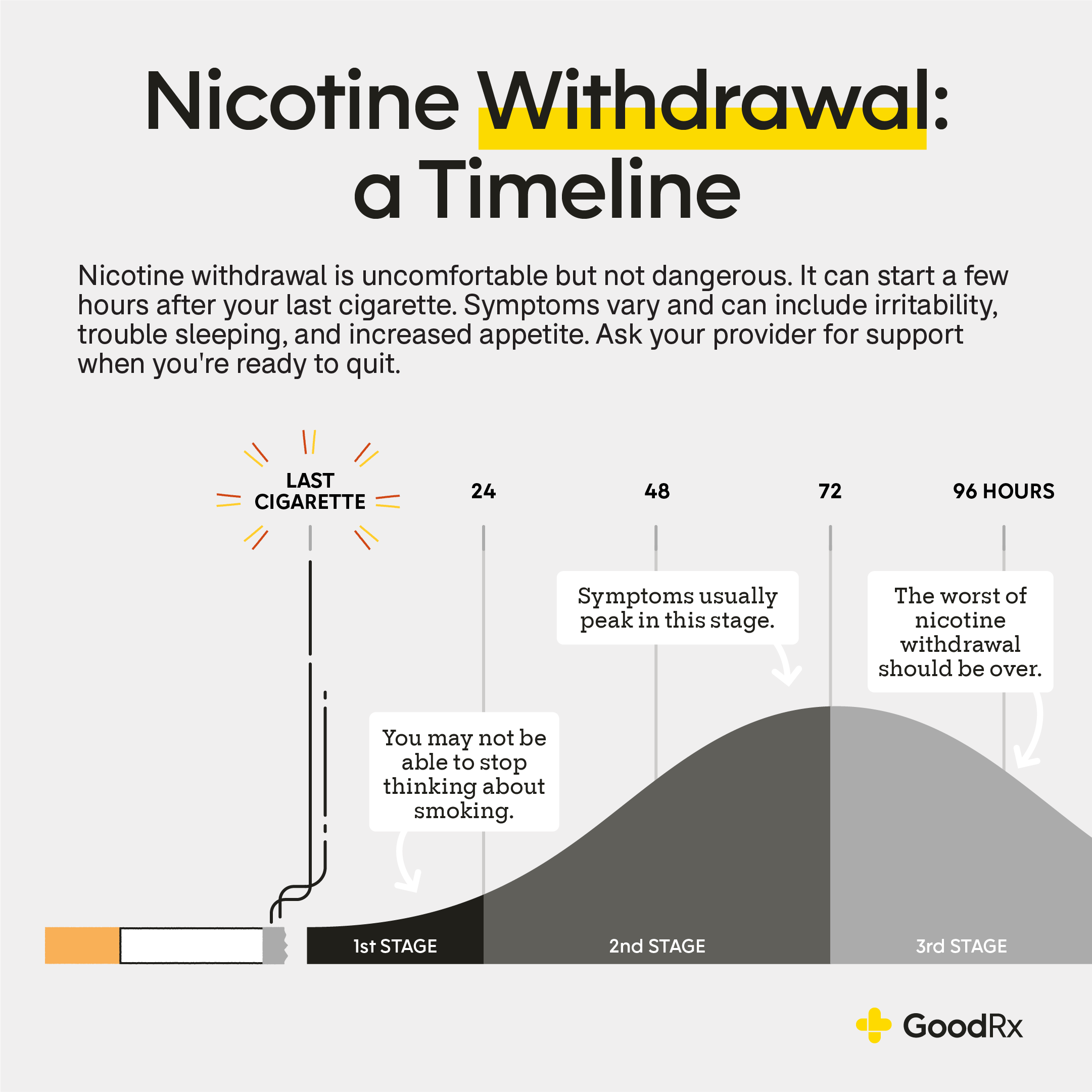


![Quitting Smoking: For 40 Days Of Lent, This Is What Would Happen To Your Body If You Stopped Smoking [INFOGRAPHIC]](https://d.medicaldaily.com/en/full/322796/quitting-smoking-hour.jpg?w=1600&h=1200&q=88&f=ed393d483b2b13bb30cecef89edcae60)

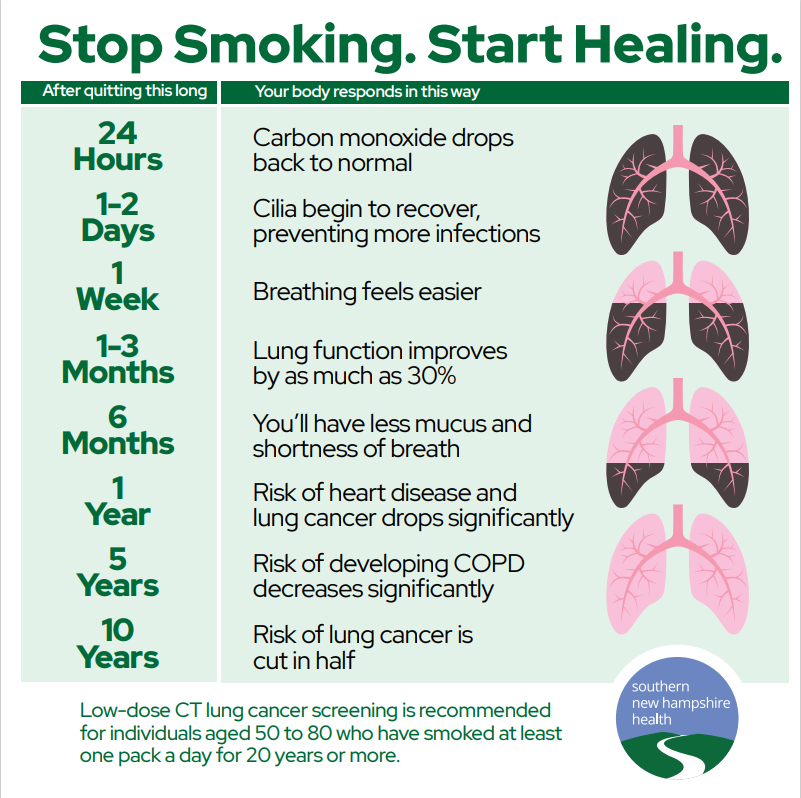


:max_bytes(150000):strip_icc()/after-the-last-cigarette-how-your-body-heals-2824388-01-e5f0f79b0a394d43afbc80b20479b9aa.png)