Beyond basic nutrition, it sets an anti-aging benchmark in private labels
Interesting research has been carried out by the group of Indian researchers who studied the association of some genetic variants of PLC with susceptibility to gallbladder cancer in North Indian population
Notably, in relation to GPX3, HRGGPx binding and enhancement of GPx activity, including GPX3, was recently reported [27]
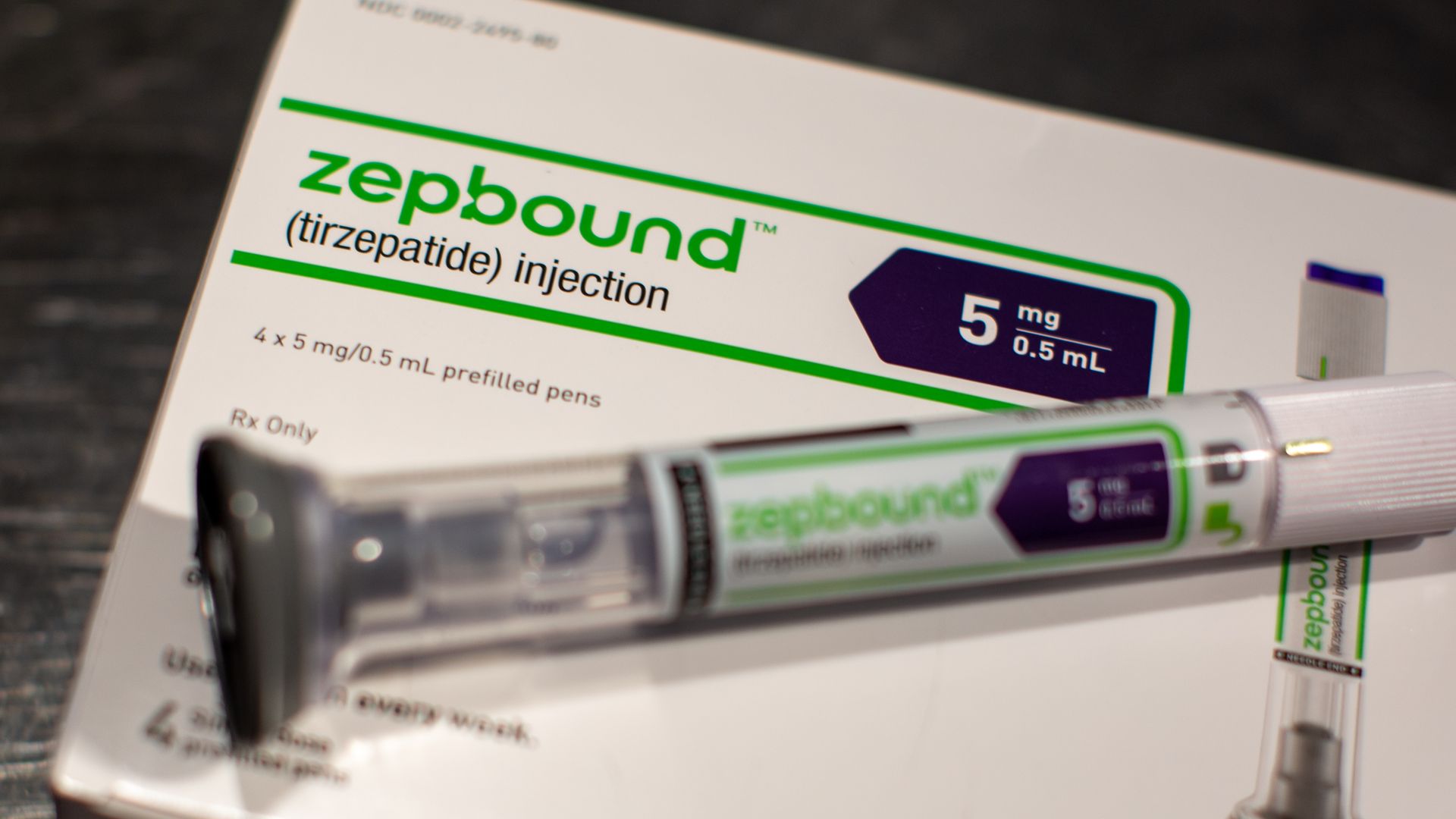
Some formulas also include botanicals (like ginger or peppermint) or added fibers marketed as "GLP-1 boosters." What it is: A tool that may improve comfort with certain meals by assisting macronutrient breakdown A short-acting, meal-timed supplement for some people Potentially helpful when your symptoms are food-specific (for example, dairy-related bloating) What it isn't: Not a prescription drug Not FDA-approved to treat nausea, gastroparesis, constipation, or GERD Not a substitute for GLP-1 dose adjustments, meal strategy changes, or medical evaluation This matters because supplement marketing can imply a level of certainty that the evidence often doesn't support