I hear the field-workers blow their noses, cough, and spit out leaf dust, and as the afternoon wears on a dozen or so get drunk and weep over memories of me on stage and how I expressed their sorrow or joy in my songs

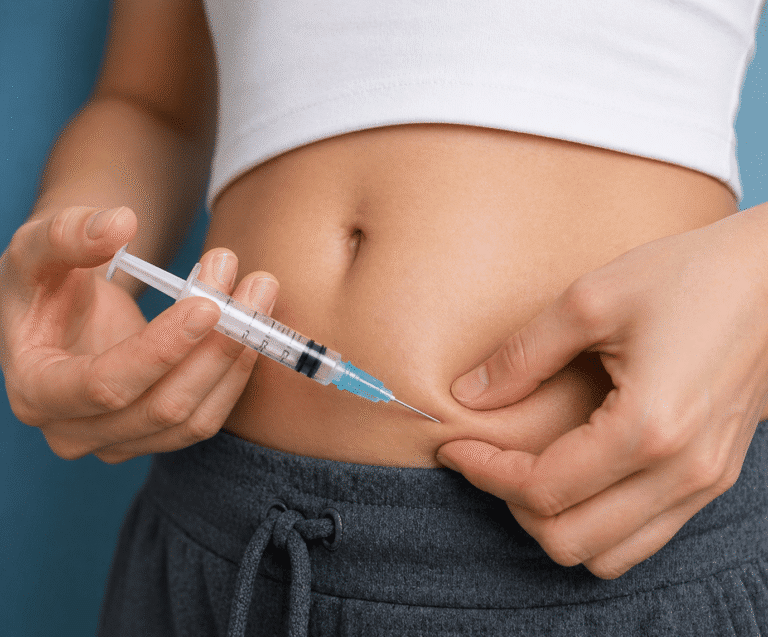
Animal Research Context: Scaling from Rodents Preclinical studies with Dihexa and angiotensin IV analogues employed doses that ranged considerably depending on species, route, and outcome measured: Intravenous (IV) Administration Animal studies using intravenous dosing (which bypasses absorption barriers and achieves near-complete bioavailability) reported cognitive and neuroprotective effects at: 0.1 to 2.0 mg/kg in rodent studies (McCoy et al., 2013) Doses at the higher end of this range (12 mg/kg IV) produced robust behavioral effects For a 70 kg human, equivalent to 70140 mg total IV dose (crude extrapolation) However, direct extrapolation from rodents to humans is unreliable due to differences in metabolism, brain penetration, and receptor sensitivity Intraperitoneal (IP) Administration IP dosing (injection into the abdominal cavity, with slower absorption than IV) showed effects at: Up to 10 mg/kg in some studies Lower bioavailability than IV, requiring higher nominal doses for similar effects This route is not practical for human use Why Rodent Dosing Doesn't Directly Translate Rodent pharmacokinetics differ substantially from humans

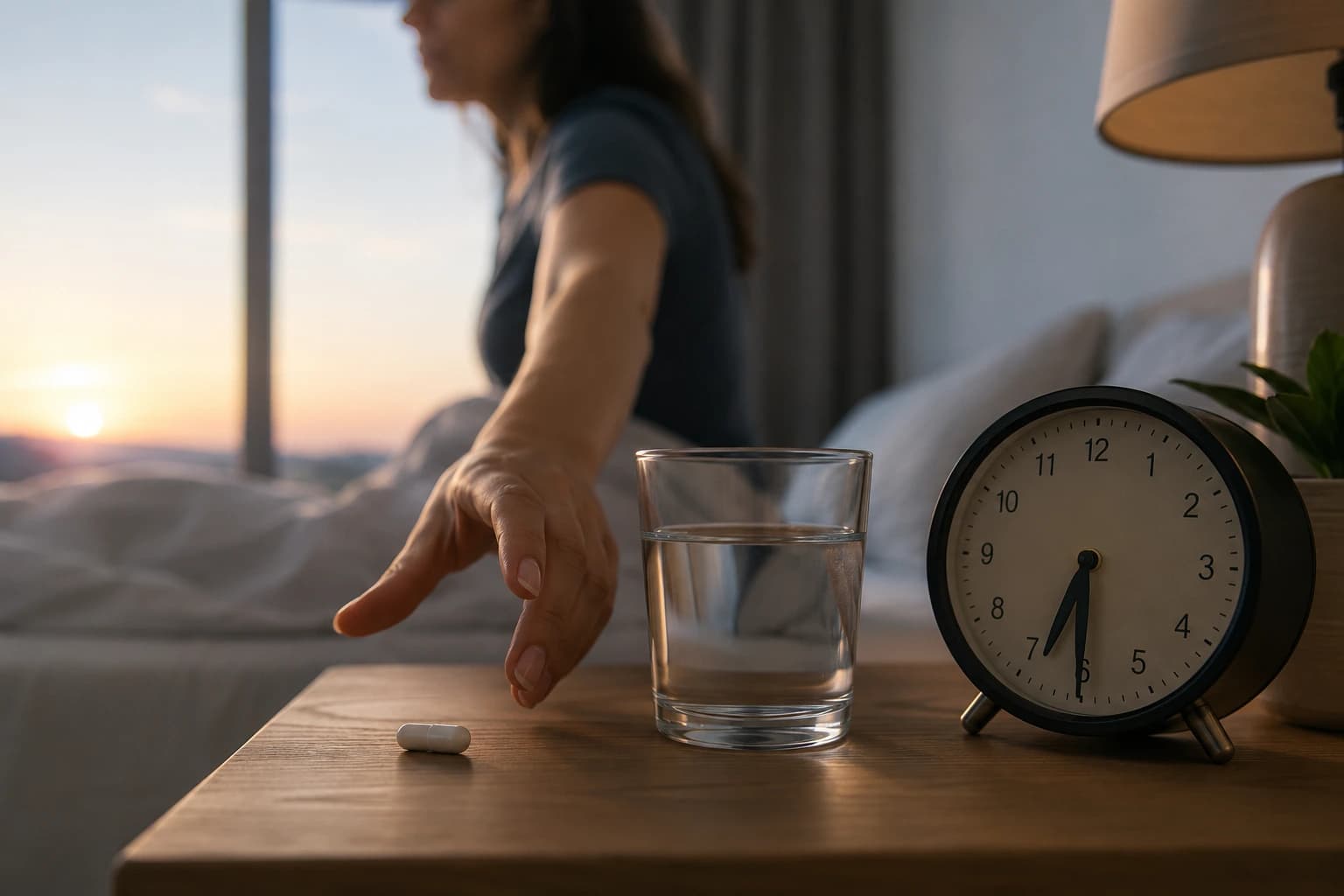
Proper storage of sermorelin is vital to maintain its stability and potency
Furthermore, the regular measurement of serum vitamin B12 concentrations in all patients at risk (e.g., people using metformin) may cause unnecessary costs in the long term, which needs to be weighed against the costs of vitamin B12 treatment