Moreover, our present study as well as Hp-eradicated patients in other reports (55, 57, 60 - 62) demonstrate an increase in gastric ghrelin, which may contribute to the ghrelin-induced increase in appetite and weight gain observed following successful bacteria eradication
McGuire DK, Alexander JH, Johansen OE, Perkovic V, Rosenstock J, Cooper ME, Wanner C, Kahn SE, Toto RD, Zinman B, Baanstra D, Pfarr E, Schnaidt S, Meinicke T, George JT, von Eynatten M, Marx N, Cahn A
PHIL: This-- [PAPER CRINKLES] PHIL: --is the thing it came in
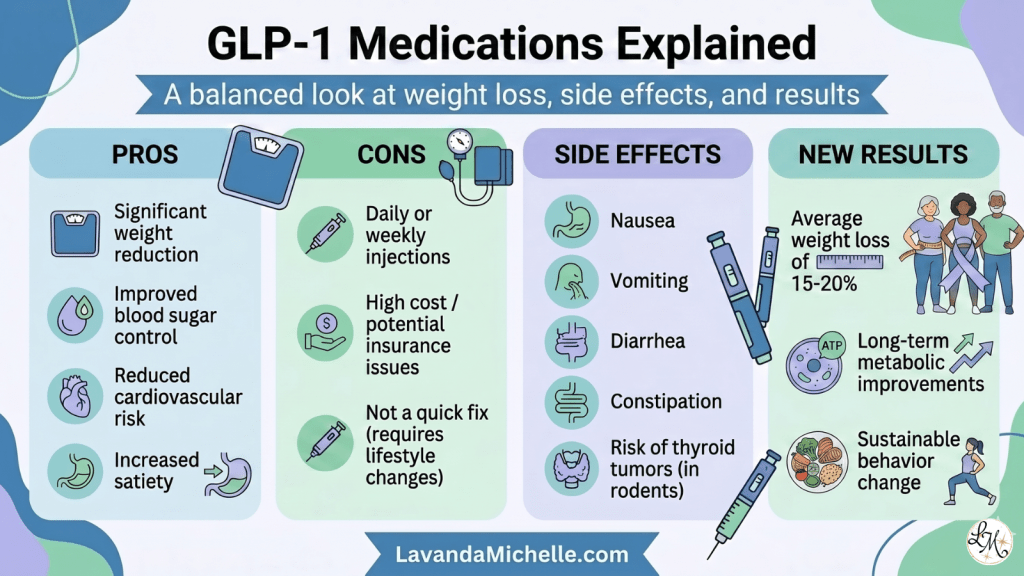
What we know: GI side effects are common but typically improve after 36 months No deaths or major safety signals through 80104 weeks across two large trials Metabolic improvements (glucose, blood pressure, lipids) are substantial and sustained Discontinuation rate: 11.3% in general obesity population (TRIUMPH-1) better than initially feared from TRIUMPH-4's 18.2% 104-week extension shows continued weight loss to 30.3% no plateau at 80 weeks What we don't know: Full 2-year safety dataset (pending publication) Whether dysesthesia resolves or persists long-term Cardiovascular outcomes (trial ongoing) Weight regain trajectory after stopping Very rare adverse events requiring broader use to detect The bottom line: Retatrutide offers superior weight loss compared to existing medications and TRIUMPH-1's 11.3% discontinuation rate suggests the tolerability picture is better than TRIUMPH-4's osteoarthritis cohort implied